

Paralysis Ticks – the tiny killer
Paralysis ticks are a big problem on the Lower North Shore of Sydney, and affect both cats and dogs. The tick season typically extends from September to March, but cases of tick paralysis can occur all year round, especially in coastal areas to our north.
The paralysis tick (Ixodes holocyclus) attaches to an animal’s skin to feed on their blood. Ticks release a toxin through their saliva as they feed, which causes paralysis in their host.
Early signs of tick toxicity include lethargy, weakness, and wobbliness in the back legs, which progresses to affect the whole body. Excessive salivation, vomiting or retching can occur, and breathing becomes laboured (often with a grunt or groan and a change in meow or bark). If left untreated, tick paralysis can result in death of the affected pet. In some cases, sudden death may even occur in the early stages of paralysis, and unfortunately, a small proportion of cases that receive treatment still do not survive the toxin’s effects.
Thankfully, there are a wide selection of products on the market that help to prevent paralysis ticks in both dogs and cats. It is well worth noting, however, that no product is 100% effective, so it is important that you still check your pet at least once daily for ticks. If you have any questions, or would like a recommendation for a tick product for your pet, please come in to see our friendly and expert staff at Mosman Vet.
There is a broad selection for dog tick prevention. The most popular products are spot-ons and chews. Nexgard is a monthly prevention, and come in packs of six, three, or single chewables. Bravecto Chews come as a single pack, and are given every 3 months. Both Nexgard and Bravecto are palatable chewables, so are easy to give, and great for dogs that regularly go swimming or get bathed.
Bravecto also comes as a spot-on treatment that is given on the back of the neck every six months. This is a great option if your dog has a food allergy, is fussy with their chews, or if you are more comfortable remembering treatment only twice a year! Both Bravecto and Nexgard prevent fleas as well.
Cat tick prevention currently comes as a spot-on treatment. At Mosman Vet, we recommend Bravecto for Cats, which can be given every 3 months, comes in a two-pack, and treats fleas as well. Even if your cat only ventures out to your back yard, or balcony, it is important that they are still on a tick and flea prevention.
There are plenty of tick and flea products on the market, but they’re not all equal! If you need a recommendation for which product is right for your pet, please call Mosman Vet on (02) 9960 2856, or visit us in clinic, and we would be happy to help!
Protecting your pet from ticks
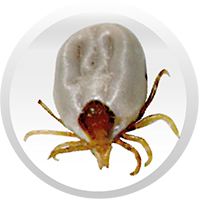
Careful daily searching for ticks is always recommended in both dogs and cats, even if tick prevention products are in use. The paralysis tick has eight legs, and is a light grey or blue colour. When ticks first attach they are very small – about the size of a matchhead, but enlarge as they feed. Around 80% of ticks will attach around the head, neck, and shoulder region of your pet, but the whole animal should be searched thoroughly (including on the tail, in between the toes, and under the armpits).
If you find a tick, remove it immediately by grasping it as close to the skin as possible with fingernails, tweezers or a Tick Twister, and twist a few times, or pluck quickly. Sometimes the tick has detached by the time signs of paralysis are seen, leaving only a tick crater – a skin reaction at the site of attachment. Even if your pet is showing no signs of illness when you remove the tick, keep them rested for 3 days afterwards, as clinical signs can still appear after removal.
If you think your pet has tick paralysis, keep them calm and quiet. Do not offer your pet anything to eat or drink, and contact Mosman Vet immediately.
Paralysis Tick Treatment
If your pet has tick paralysis, they will need to be treated by a vet, with a higher rate of successful treatment the sooner they are seen. Veterinary treatment includes administration of tick antiserum, IV fluid therapy, and a period of hospitalisation for supportive care. Depending on the severity of the paralysis and the incidence of complications, your pet may be transferred to a 24-hour hospital that can provide overnight care and ongoing ventilation for your pet.
View our Tick Alert Map for the latest reported sightings of paralysis ticks in the Mosman area.
For further information or advice about preventing tick paralysis in your pet, call Mosman Vet on 9960 2856 or make an appointment online.
And remember, in your pet’s preventative health program, don’t forget to include: